

What Most Families Learn Too Late
A practical guide to understanding risk, responsibility, and reality before construction begins
Building a swimming pool is one of the most exciting upgrades a family can make. It promises relaxation, entertainment, and years of enjoyment. But it is also a permanent structure tied directly into your home, your ground conditions, and your budget.
Once mistakes are buried under concrete, tiles, and landscaping, they are difficult—and sometimes impossible—to fix.
Across thousands of pool quotes, designs, and construction experiences, the same patterns appear again and again. Most problems don’t come from one dramatic failure. They come from small assumptions, unclear responsibilities, and decisions made too quickly at the beginning.
This guide isn’t about finding the cheapest quote or choosing a particular builder.
It’s about understanding risk, slowing down early, and making confident decisions before the first shovel hits the ground.
Step 1: Understand That Pool Quotes Are Not All the Same
One of the biggest surprises for families is how widely pool quotes can vary. Two builders may appear to be offering a similar pool, yet their prices may differ by tens of thousands of dollars.
This usually happens because:
- One quote includes full site supervision; another does not
- One builder includes proper soil preparation; another assumes ideal conditions
- One includes higher-grade plumbing, steel, or finishes
- Some items are listed as allowances rather than fixed costs
- Landscaping, drainage, fencing, or electrical upgrades may be excluded
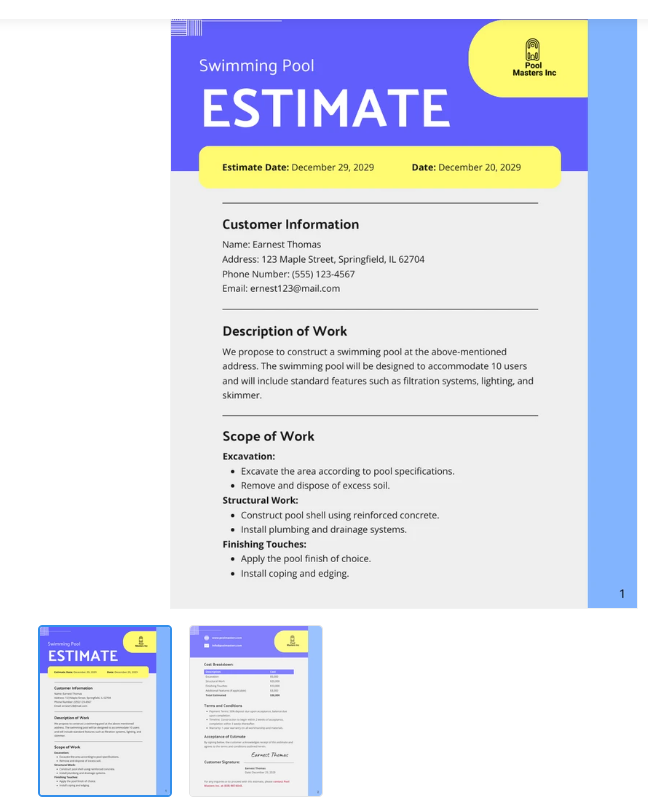
On paper, the pools look similar. In reality, the scope can be very different.
What to do:
Ask each builder to explain exactly what is included, what is excluded, and what assumptions they have made. A detailed, transparent quote is usually safer than a cheaper, vague one.
Step 2: Clarify Who Actually Owns the Construction Process
The most dangerous moment in a pool build isn’t construction.
It’s when responsibility quietly becomes unclear.
After seeing hundreds of pool projects play out across many builders, one pattern keeps repeating. Most serious problems don’t happen because one thing goes wrong. They happen because no single person clearly owns the outcome day to day.
On paper, the licensed builder is responsible.
In reality, what families often experience looks very different.
Common situations during construction:
• The licensed builder is stretched across too many jobs
• Trades rotate on and off site with limited coordination
• A very junior team member is left to “keep an eye on things”
• No fixed site supervisor owns quality, sequencing, and follow-through
• The homeowner has no clear view of what’s meant to happen next
When responsibility fragments like this, problems don’t announce themselves.
They accumulate quietly.
• Quality issues get locked in early
• Design intent drifts
• Trades work to convenience, not sequence
• Small mistakes become permanent ones
Most homeowners assume:
“The builder is checking the work, managing sequencing, and ensuring it’s built to plan.”
In many builds, that assumption simply isn’t true in practice.
This doesn’t mean all builders are careless. Many have good intentions and skilled trades. But some businesses are structurally set up without proper project management.
One of the most common regrets heard from pool owners is:
“I trusted the process, and I wish I’d been more present during the build.”
Not because homeowners should have to manage construction—but because someone needs to actively protect quality while steel, plumbing, and concrete are still visible.
Before signing a contract, ask the builder:
• Who owns quality control day to day?
• How is work checked against the plans?
• How are trades sequenced and supervised?
• What should I expect each week during the build?
If a builder can’t clearly answer those questions, that’s not a small detail.
That’s risk.
Step 3: Review the Plans With “Buildability” in Mind
Even when plans are drawn by a structural engineer and designer, there can still be gaps between drawings and real-world construction.
Plans usually show:
- Pool dimensions and depths
- Structural details
- Equipment layout
- Basic plumbing routes
But they may not define:
- Access constraints for machinery
- Exact positioning of steps, benches, and fittings
- Drainage paths around the pool
- Coordination with landscaping or outdoor areas
- Practical sequencing of trades
What to do:
Sit down with the builder and go through the plans line by line. Ask them to explain:
- How each stage will actually be built
- What assumptions they’re making
- Where variations might occur
This simple conversation can prevent major misunderstandings later.
Step 4: Understand the Sequence of Work
A pool is not built by one person. It is built by a sequence of specialist trades:
- Excavation
- Steel reinforcement
- Plumbing rough-in
- Electrical conduits
- Concrete or shell installation
- Waterproofing
- Tiling or interior finish
- Coping and surrounds
- Equipment installation
- Commissioning and handover
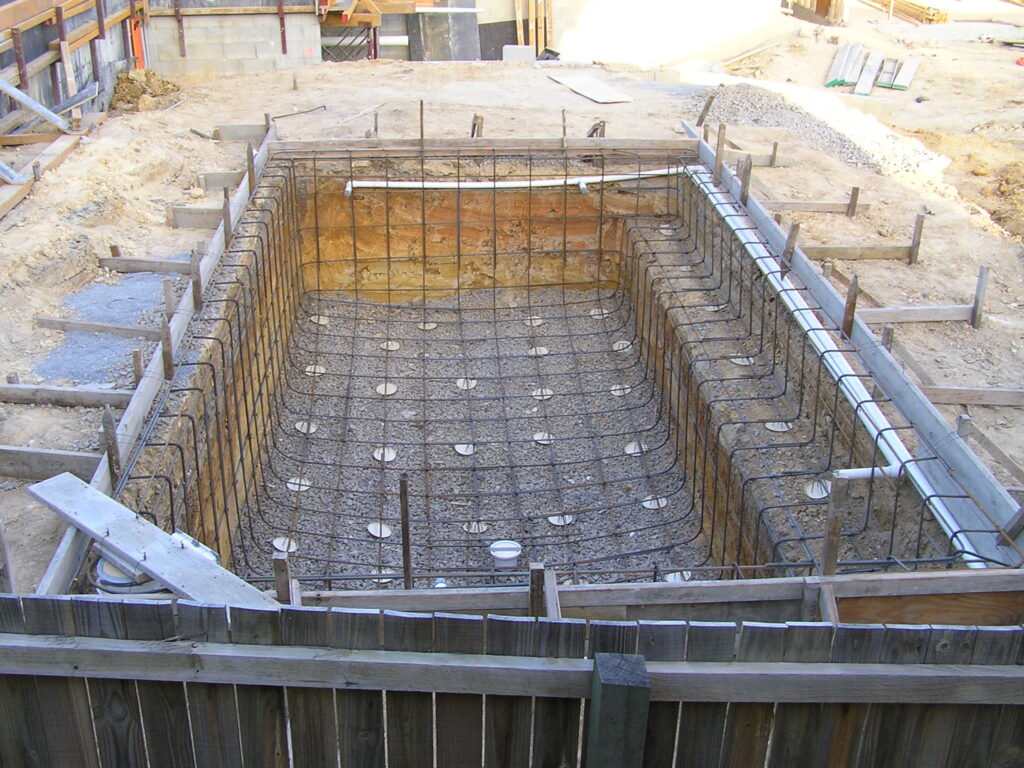
If these trades are not properly sequenced or supervised, problems can occur:
- Plumbing lines crushed during steel installation
- Incorrect levels set before concrete
- Waterproofing compromised by later work
- Equipment placed in impractical locations
What to do:
Ask for a simple, week-by-week outline of the construction sequence.
Step 5: Define Communication Expectations Early
Many frustrations in pool builds come from communication gaps rather than technical failures.
Typical issues include:
• Long periods with no updates
• Unannounced schedule changes
• Variations presented after work is already done
• Homeowners unsure who to contact
Before signing, agree on:
• Your main contact person
• How often you’ll receive updates
• How variations will be handled
• What decisions you’ll need to make and when
Clear communication removes stress for both sides.
Step 6: Accept That “Doing It Properly” Takes Time
Families are often eager to finish the pool quickly—especially before summer. But rushing early stages can create long-term problems.
Important processes that need time include:
• Soil assessment and proper excavation
• Accurate steel placement
• Careful plumbing pressure testing
• Correct curing of concrete or finishes
A builder willing to slow down critical stages is usually protecting the quality of your pool.
Step 7: Stay Gently Engaged During Construction
You don’t need to manage the project yourself, but it helps to stay aware of what’s happening.
Simple actions that make a big difference:
• Visit the site regularly
• Ask questions when something looks unclear
• Request brief weekly updates
• Take photos at each stage
Many issues are easiest to correct when they’re still visible.
A Final Thought
Most regrets in pool construction don’t come from one bad decision.
They come from assuming someone else is watching closely—when no one really is.
A good builder will welcome clear questions about supervision, sequencing, and communication. They’ll usually be proud to explain how they protect quality on site.
Before you build, slow the process down just enough to understand:
• What you’re really buying
• Who owns the construction day to day
• How the work will be supervised
• What your role will be as the client
Because once the concrete is in the ground, the decisions you made at the start are the ones you’ll live with for decades.